Landscape Material Selection Guide
Choose the right stone, sand, topsoil, mulch, or natural stone for the job—then estimate the quantity and confirm pickup or delivery with the Tabernacle supply yard.
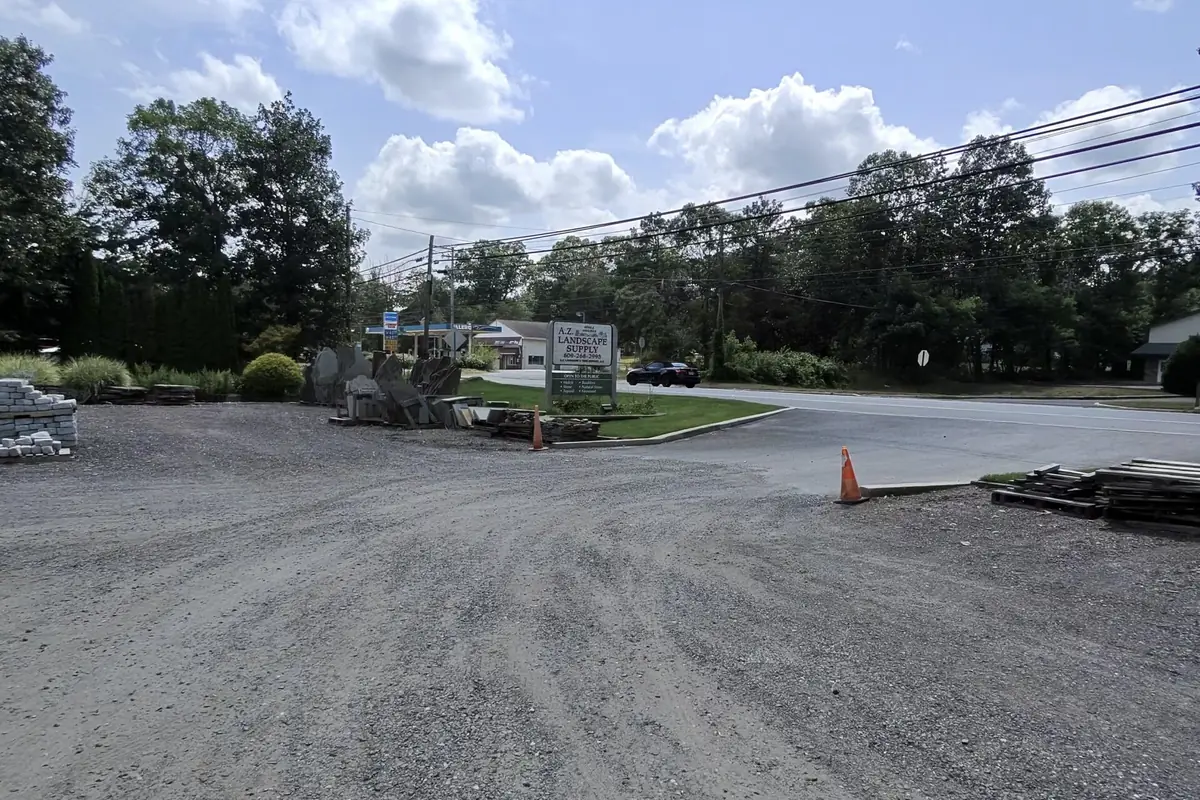
Start with the job, not just the color
Drainage, compaction, finished appearance, maintenance, and load-bearing needs determine the right material. The supply-yard team can confirm current products and availability.
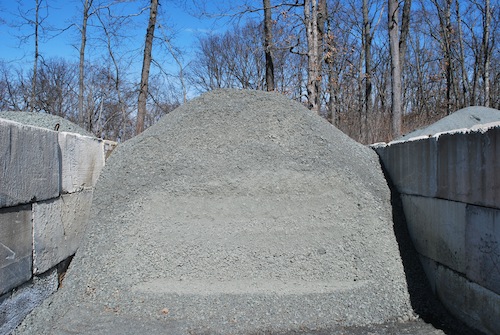
Driveway and base stone
Compacting blends are commonly used for stable bases and driveway repair. A finish layer may use a different size or color, so calculate each layer separately.
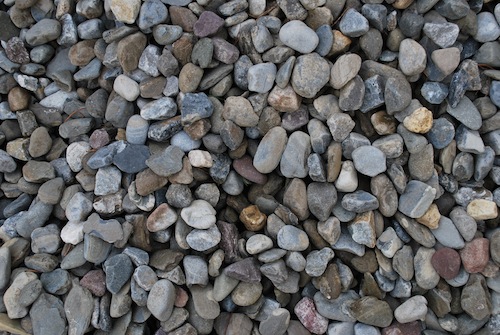
Decorative stone
River stone and other decorative aggregates suit beds, borders, drainage areas, and visible surfaces where appearance and size matter.
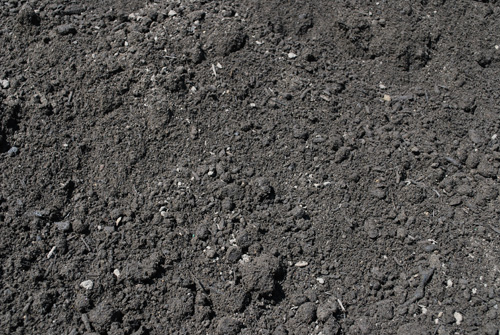
Topsoil and fill
Screened topsoil supports lawn and planting projects. Fill dirt is better suited to building grade where finish quality is not the goal.
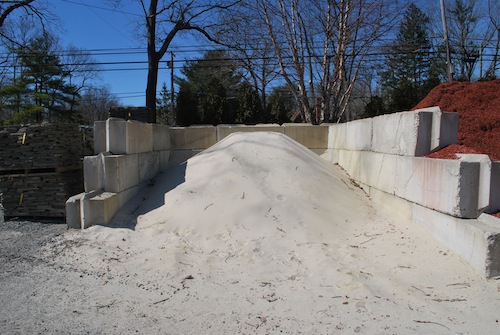
Sand
Mason, concrete, and other sands have different particle characteristics. Confirm the installation specification before ordering.
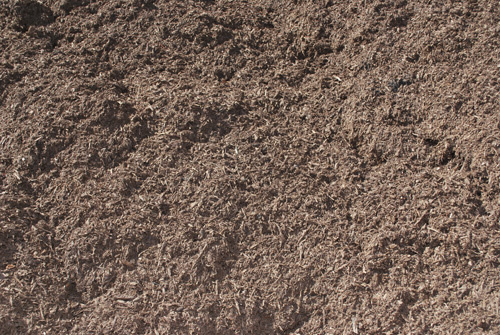
Mulch and wood products
Dyed mulch, natural mulch, playground mulch, woodchips, and root mulch differ in appearance and intended use.
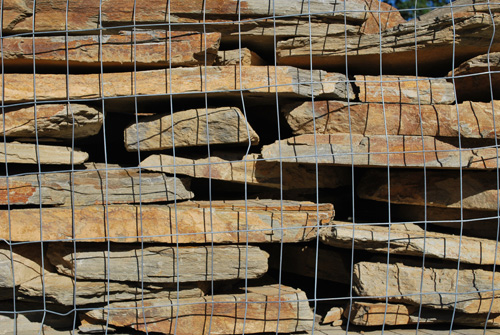
Flagstone and natural stone
Patios, paths, steps, walls, and borders require attention to stone thickness, shape, base preparation, and installation method.
From measurements to delivery
Define the use
Identify whether the material is a structural base, drainage layer, growing medium, finished surface, or decorative cover.
Measure the area
Record length and width, known square footage, or circular diameter. Divide irregular areas into smaller shapes.
Confirm compacted depth
Calculate using the finished depth. If base and finish layers differ, calculate each material separately.
Confirm logistics
Discuss quantity, material weight, truck access, overhead clearance, road conditions, and placement before delivery.
Base and finish layers do different jobs
A driveway project may require a compactable base material beneath a separate finish stone. Treating the full depth as one decorative product can overstate finish quantity and overlook base preparation.
Questions to answer first
- Is this new construction, resurfacing, or spot repair?
- What is the existing surface and drainage pattern?
- Will passenger vehicles or heavier trucks use it?
- What compacted depth is required for each layer?
- Is edging needed to contain the finished surface?
Topsoil, mulch, and decorative cover
Planting and lawn projects need suitable soil depth and drainage. Mulch suppresses weeds and moderates moisture, while decorative stone provides a different look and maintenance profile.
Plan for the finished condition
- Remove or account for existing material before adding depth.
- Keep mulch and soil away from siding and tree trunks.
- Use landscape fabric only where it fits the project.
- Allow for settling where appropriate.
- Confirm wheelbarrow or equipment access from placement area to project.
What to know before calling
Bring the project measurements and intended use. The team can help narrow the material and delivery plan.
Do you sell to homeowners and contractors?
Yes. The Tabernacle yard serves residential and commercial customers with pickup and delivery options.
What is the delivery minimum?
The typical minimum is three yards or three tons. Final delivery availability depends on material, quantity, truck access, and scheduling.
How much can one truck carry?
Approximate single-load capacity is up to 22 yards or 25 tons, depending on material density, legal weight, truck selection, road conditions, and site access.
Can materials be placed exactly where I want?
Placement depends on safe truck access, overhead clearance, ground conditions, slope, turning room, and driver judgment. Confirm the plan with the supply yard before delivery.
Should I order extra material?
A practical allowance may cover settling, compaction, irregular edges, and measurement uncertainty. The right percentage varies by material and project.
Need help choosing or estimating material?
Call the Tabernacle supply yard with the project use, measurements, and delivery address.