Residential Tree Safety Guide
How to recognize warning signs, respond after storms, and know when a tree needs a professional assessment—without taking unnecessary risks around your home.
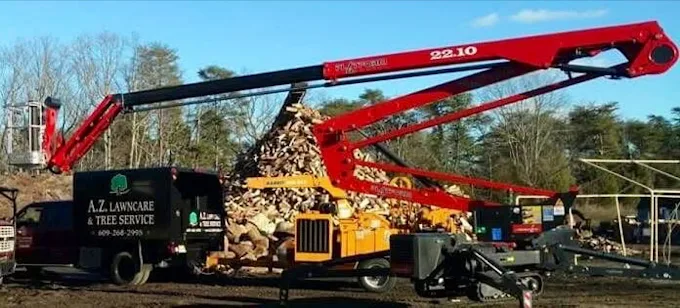
What homeowners can safely observe
One sign does not always mean a tree must be removed. Several signs together—or a sudden change after wind or rain—justify a closer professional look.
Leaning or soil movement
A new lean, lifted soil, cracks around the root plate, or roots pulling from the ground can indicate instability.
Large dead limbs
Dead branches over roofs, driveways, play areas, or walkways deserve attention because their failure path reaches occupied areas.
Cracks and weak unions
Fresh splits, separating trunks, included bark, or open cavities near major branch unions may affect structural strength.
Decay and fungal growth
Soft wood, extensive cavities, mushrooms near the base, and repeated limb dieback can be signs of internal or root decay.
Storm changes
Hanging limbs, broken tops, uprooting, and branches resting on structures need a safety-first response after severe weather.
Clearance conflicts
Branches touching roofs, blocking safe sightlines, or crowding structures may call for selective pruning rather than removal.
Use this order of operations
Keep people away
Block access beneath hanging limbs, leaning trunks, and partially uprooted trees.
Check for power lines
Assume every downed line is energized. Contact the utility or emergency services before approaching the area.
Photograph the wider scene
From a safe location, capture the whole tree, nearby structures, damage, and possible equipment access.
Call for an assessment
Explain what changed, what is threatened, and whether access is blocked. A.Z. handles storm-damaged trees across South Jersey.
Simple habits that reduce surprises
Walk the property seasonally
Check after leaf-out, after leaf drop, and after major storms. Compare new cracks, deadwood, or leaning with earlier photos.
Prune for a reason
Good pruning targets safety, structure, clearance, and tree health. Heavy topping can create weak regrowth and unnecessary stress.
Plan around targets
Trees beside homes, parking areas, roads, play spaces, and utility corridors deserve more frequent observation because failure consequences are higher.
Straight answers about tree safety
This guide helps with planning, but it cannot diagnose a tree from a webpage or photograph.
Does a leaning tree always need removal?
No. Some trees grow with a natural lean. A new or increasing lean, especially with soil movement or root lifting, is more concerning and should be assessed.
Can a damaged tree sometimes be saved?
Yes. The right recommendation depends on the tree species, location, amount of living structure, damage pattern, and targets below it.
Who should I call when a tree touches a power line?
Stay away and contact the electric utility or emergency services. Do not touch the tree, line, nearby fence, equipment, or anything that could be energized.
Where does A.Z. provide tree service?
A.Z. is based in Tabernacle and serves Burlington County, Camden County, Atlantic County, and surrounding South Jersey communities.
Concerned about a tree on your property?
Send photos and the address for a free estimate, or call the local tree-service line.